About Jay Shore
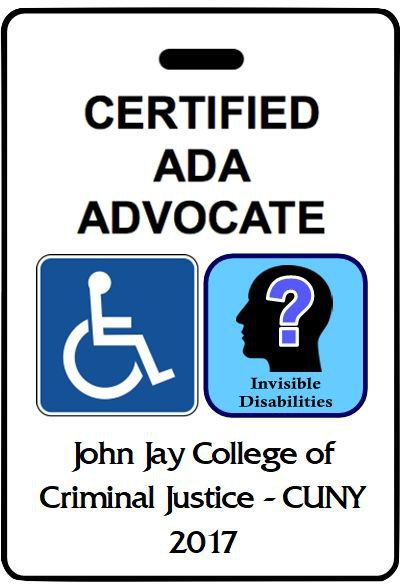
Certified ADA Advocate. Not an attorney. He takes on the work attorneys are often hesitant to take on.
Background
Jay was certified as an ADA Advocate in 2017 and trained under the late Dr. Karin Huffer, who spent decades researching and documenting the condition she named Legal Abuse Syndrome. Disabled people routinely report being denied access, bullied, and having their disabilities turned against them by opposing parties and, too often, by the courts themselves. Jay worked with Huffer on cases before her death in 2018 and carries her work forward: documenting disabilities and accommodation needs in a form that employers, schools, and courts must answer, and pressing the point that the ADA reaches further than most people, including most lawyers, realize.
Jay's position is that the court process itself can create a disability. He is not alone in that view:
If one set out by design to devise a system for provoking intrusive post-traumatic symptoms, one could not do better than a court of law.
His practice splits into two functions. The first is direct advocacy: writing to the employer, the district, or the court on a client's behalf and staying available as the situation moves. The second is training: teaching attorneys and advocates how to identify an ADA claim and press it.
How he works
Clients describe him as candid, structured, and direct. The process is often uncomfortable, because the communications that get results are the ones people have been avoiding. Jay writes them, explains why they matter, and interacts on your behalf with ADA-subject entities.
Attorneys who have worked with him describe him as a teacher first. Several have said they could not have taken ADA cases without him.
Writing
Jay publishes regularly on access rights at ADA Rights on Substack.