You have rights under the ADA. Most people never use them.
Jay Shore is a Certified ADA Advocate. He helps people with disabilities get accommodations at work, at school, and in court, and he trains attorneys and advocates to do the same.
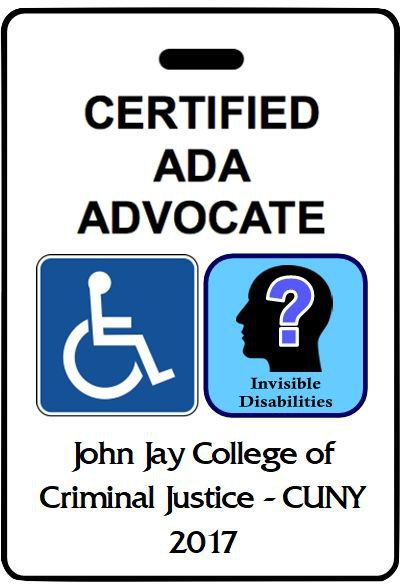
What a disability advocate does
A disability advocate speaks on behalf of people with disabilities and works to protect their interests. In practice that means reading the law closely, writing the letters that make an employer, a school district, or a court take an accommodation request seriously, and staying on the phone when circumstances change.
Jay does two things: he advocates directly for individuals, and he trains attorneys and others to bring ADA claims and advocate for ADA rights themselves.
Disability issues touch a person's rights, their dealings with institutions, and their day-to-day well-being. The ADA was written to address all three.
What attorneys say
Justice had been achieved in a more perfect and beneficial form because I had brought Jay Shore in to help me work on ADA Advocacy aspects of the cases. His knowledge, know how, and suggestions were invaluable to success in my representation of clients.
I believe Jay Shore is a Master of his craft and if you want to learn from a Master of Disability Advocacy, then you should take his course.
The ADA applies in court, too
Courts are covered by the ADA. Under 42 U.S.C. § 12202 a state cannot claim immunity from an ADA claim, and under 42 U.S.C. § 12203(b) it is unlawful to coerce, intimidate, threaten, or interfere with anyone exercising a right the ADA protects. Many litigants with disabilities never invoke the Act. When they do, the dynamic in the courtroom changes.